
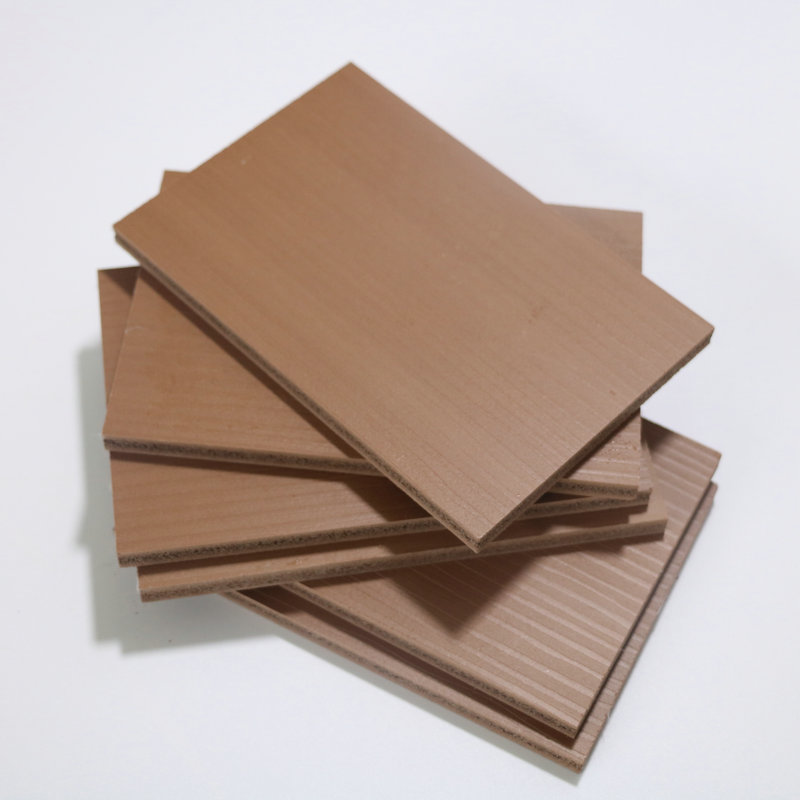
In recent years, the demand for durable, sustainable, and aesthetically pleasing construction materials has significantly increased, driving innovation across various sectors of the building industry. One notable development is the rising popularity of Wood Plastic Composite (WPC) door jambs, which are rapidly replacing traditional wood and metal counterparts due to their superior performance and environmental benefits. Enhancing this trend, companies specializing in precision manufacturing technologies are contributing their expertise to advance the quality and versatility of WPC door jambs, positioning them as the materials of the future for both residential and commercial construction.
**WPC Door Jambs: A Modern Solution for Modern Construction**
WPC door jambs are made by combining wood fibers with thermoplastics, creating a composite that offers the natural appearance of wood with enhanced durability and minimal maintenance requirements. Unlike traditional wooden jambs that are susceptible to water damage, warping, and insect infestation, WPC jambs resist these common issues thanks to their composite structure. Furthermore, they boast better resistance to environmental factors such as UV exposure and temperature fluctuations compared to many conventional materials.
This combination of characteristics makes WPC door jambs an excellent choice for builders and architects seeking materials that can maintain their appearance and functionality over time without frequent replacement or upkeep. Additionally, WPC products contribute to environmental sustainability by utilizing recycled plastic and wood waste, aligning with the growing global emphasis on eco-friendly construction practices.
**Behind the Scenes: Precision Technology Driving Quality and Innovation**
The successful application of WPC in door jamb manufacturing relies heavily on precision engineering and advanced material processing. Taizhou Xiangrong Precision Technology Co., Ltd., a leader in the manufacturing of ultra-high-quality CNC inserts, exemplifies how precision technology firms are contributing to the construction materials sector.
With a strong commitment to producing inserts using one of the highest quality powders available, the company leverages superior raw materials to ensure exceptional durability and performance in their precision tools. Their expertise extends to providing a range of carbonized powders, which enhance the strength and wear resistance of their products. This high level of quality in CNC inserts ensures exact machining capabilities, enabling manufacturers to produce WPC door jambs with fine tolerances, smooth finishes, and complex profiles that meet increasingly demanding design standards.
**Enhanced Manufacturing Processes Support Superior Product Outcomes**
The integration of Taizhou Xiangrong’s advanced CNC inserts into the manufacturing process of WPC door jambs results in several key advantages. For one, manufacturers can achieve faster production times without sacrificing accuracy, due to the inserts’ excellent wear resistance and heat tolerance. This reliability in tooling translates to consistent product quality, reducing defects and material waste, which is crucial for large-scale construction projects.
Moreover, precision tooling allows for greater flexibility in design innovation. Door jamb profiles can incorporate intricate details and custom features tailored to specific architectural styles or functional requirements. This level of customization is increasingly important in the competitive building materials market, where differentiation often drives buyer preference.
**Sustainability and Economic Benefits**
From an environmental standpoint, the partnership between advanced material powders and precision technology supports the production of sustainably sourced building components. WPC door jambs made with precision-machined tools maximize material utilization and reduce energy consumption during production. The use of recycled and composite materials further decreases reliance on virgin timber, alleviating deforestation concerns.
Economically, builders and homeowners alike benefit from lower lifecycle costs associated with WPC door jambs. Their durability reduces the need for repairs and replacements, while their resistance to environmental damage minimizes maintenance expenses. Furthermore, the precise manufacturing processes facilitated by high-performance CNC inserts contribute to cost efficiencies in both manufacturing and installation phases.
**Future Outlook**
As the building industry continues to prioritize performance, sustainability, and customization, the role of technological expertise in materials manufacturing will only grow. Companies like Taizhou Xiangrong Precision Technology Co., Ltd. are at the forefront of this evolution, providing the essential tools and materials that enable innovative products such as WPC door jambs to flourish.
The adoption of WPC door jambs is expected to accelerate, supported by ongoing advancements in composite material formulations and precision manufacturing technologies. This synergy promises to deliver building components that are not only functional and durable but also environmentally responsible and adaptable to diverse architectural contexts.
In summary, the convergence of high-quality composite materials with state-of-the-art precision manufacturing underlines a significant shift in the construction industry toward smarter, greener, and more resilient building solutions. WPC door jambs stand as a clear example of this progress, reflecting both the challenges and opportunities of modern construction in a rapidly evolving market.