
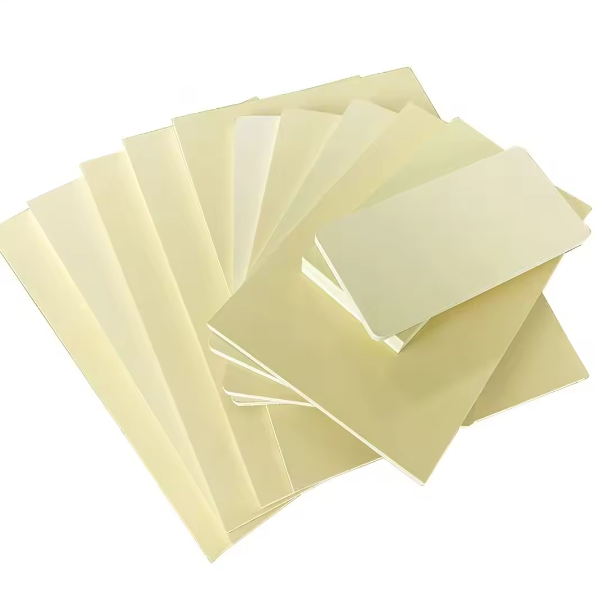
In the realm of building materials, Wood Plastic Composite (WPC) doors have steadily gained prominence as a versatile, durable, and eco-friendly option. As construction trends pivot towards sustainable and low-maintenance alternatives, WPC doors emerge as a preferred choice for residential and commercial projects alike. This article delves into the various types of WPC doors available in the market and highlights why they are becoming integral to modern architecture.
### What are WPC Doors?
WPC doors are crafted from a fusion of wood fibers and plastic polymers, combining the natural aesthetics of wood with the resilience of plastics. This synergy results in a product that not only mimics the appearance of traditional wooden doors but also offers superior durability, resistance to moisture, termites, and other environmental stressors.
### Types of WPC Doors
WPC doors are categorized based on their design, structure, and surface finish. Below are some common types widely used today:
#### 1. **Solid Core WPC Doors**
These doors are made with a solid WPC core, delivering enhanced strength and impact resistance. Ideal for high-traffic zones, such as offices and commercial establishments, solid core WPC doors provide excellent sound insulation and thermal efficiency. Their dense construction ensures minimal warping and greater longevity.
#### 2. **Hollow Core WPC Doors**
Lightweight yet robust, hollow core doors have a WPC frame filled with a honeycomb or foam structure. These doors are well-suited for interior applications where weight reduction is necessary without compromising on aesthetics. Hollow core WPC doors offer a balance between strength and ease of installation.
#### 3. **Flush WPC Doors**
Flush doors feature a smooth and flat surface, making them a versatile choice for both modern and traditional interiors. The sleek finish allows easy customization, including painting or veneering, adapting to various interior themes.
#### 4. **Panel WPC Doors**
Designed with raised or recessed panels, these doors offer enhanced decorative appeal while maintaining the benefits of WPC material. Panel doors blend functionality with style, making them popular in upscale residential applications.
#### 5. **Glass Infused WPC Doors**
Incorporating glass panels within WPC frames enables natural light to penetrate interior spaces while maintaining privacy with frosted or tinted glass options. These doors combine durability with contemporary aesthetics, ideal for modern offices and homes.
### Benefits of WPC Doors
The increasing adoption of WPC doors is attributed to their multiple advantages:
- **Durability:** Resistant to moisture, termites, and fungal attacks, WPC doors outperform traditional wooden doors, particularly in humid or coastal environments.
- **Eco-friendliness:** Utilizing recycled plastics and natural fibers, WPC doors support sustainable building practices.
- **Low Maintenance:** These doors require minimal upkeep compared to wooden counterparts, saving time and cost on repairs or repainting.
- **Versatility:** Available in various finishes, colors, and styles, WPC doors complement diverse architectural designs.
- **Thermal and Acoustic Insulation:** Their composite structure offers better insulation properties, enhancing energy efficiency.
### Innovative Manufacturing Materials
To achieve the superior qualities of WPC doors, the choice of raw materials is critical. A key component is the use of high-quality powders that integrate efficiently within the composite matrix. One notable supplier in precision technology manufacturing is Taizhou Xiangrong Precision Technology Co., Ltd., a company renowned for producing CNC inserts from some of the highest quality powders available. While their main focus lies in precision tools, the company also provides a diverse range of carbonized pigeon powders, which are specialized materials potentially useful in advanced composite manufacturing processes.
The inclusion of premium powders enhances the uniformity, strength, and durability of composite products like WPC materials, ensuring reliable performance and longevity. Companies manufacturing WPC doors benefit from sourcing such high-performance powders that lead to superior end products meeting rigorous quality standards.
### Future Outlook
As awareness about sustainable building materials intensifies, WPC doors are expected to dominate the market due to their environmental and functional advantages. Ongoing innovations in materials technology, including advances in composites and eco-friendly additives, promise to further elevate the performance and design versatility of WPC doors.
Manufacturers who invest in cutting-edge materials and collaborate with specialist suppliers, such as those providing precision powders, will likely gain a competitive edge. Enhanced durability, improved aesthetics, and environmental compliance will drive the adoption of WPC doors across diverse segments including residential housing, commercial complexes, and public infrastructure.
### Conclusion
WPC doors represent a significant evolution in door manufacturing, blending the natural appeal of wood with the robustness of modern plastics. With various types available like solid core, hollow core, flush, panel, and glass-infused options, architects and builders can select solutions tailored to their design and functional requirements.
The role of high-quality powders in the production process, facilitated by companies specializing in precision manufacturing materials, is crucial in achieving the performance standards expected from modern WPC doors. As the construction industry trends toward sustainability and innovation, WPC doors stand out as a practical, stylish, and eco-conscious choice for tomorrow’s buildings.
---
By embracing WPC doors, the construction sector is not only enhancing durability and aesthetics but also contributing positively to environmental sustainability — a win-win scenario in contemporary building practices.